Texturizer and Filler Ingredients for Cosmetics: Creams, Powders, and Gels
Whether you are scaling an existing formulation for mass production or experimenting in your kitchen, texturizer and filler ingredients for cosmetics are the quiet workhorses that turn a good cosmetic formula into a successful finished product. They build body, smooth texture, and lock in stability across every formulation you create. Here is how cosmetic texturizers and filler ingredients behave inside creams, powders, and gels, and how to choose the right one for your formulations.
What Cosmetic Texturizers and Fillers Actually Do
Texturizers for cosmetic creams, powders, and gels are primarily composed of natural minerals and crystals, such as silicates, bismuth, and magnesium. They are fine powders with effective thickening, filling, and stabilizing properties, and they are used as basic components in foundations, face powders, lipsticks, eye shadows, mascara, and more. Some texturizers for cosmetics also deliver special effects, including emulsifying, pearlizing, and wrinkle-masking finishes.
Powder Texturizers and Fillers
Powder cosmetics depend heavily on the texturizer you choose. Your desired finish determines which cosmetic powder texturizers and fillers to use in the formulation. For example:
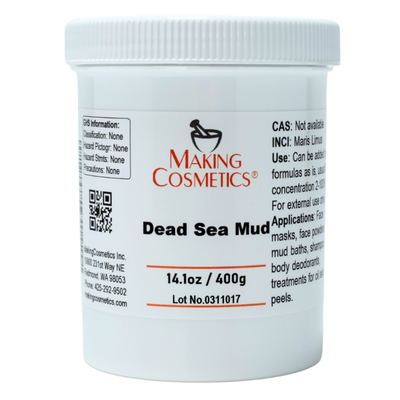
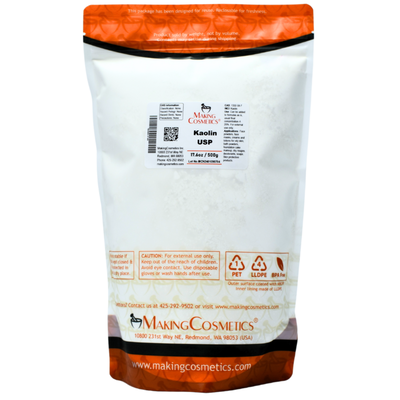
Matte: Silica and kaolin absorb oil. Kaolin works at 5% to 15% in face powders and dry shampoos for effective oil control.
Luminous: Mica and bismuth oxychloride reflect light for a pearlized glow.
Long-wear: Nylon powders and treated minerals improve adhesion so color stays put.
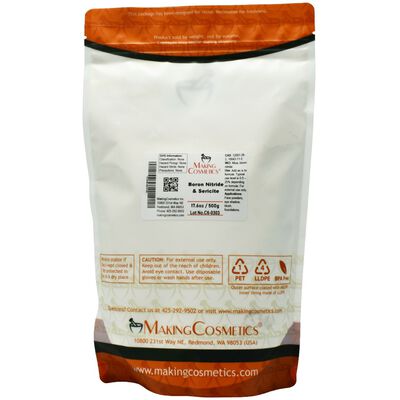
Functional: Zinc oxide and titanium dioxide deliver UV protection and opacity in one step. Boron nitride creates a soft-focus blur and improves spreadability.
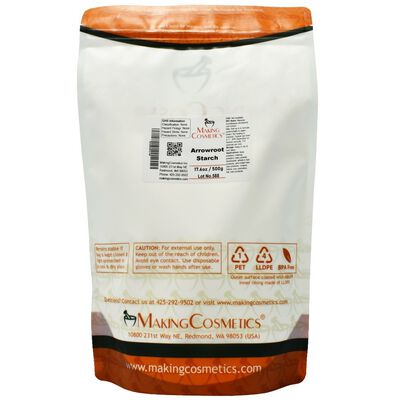
Rice powder and cornstarch are popular talc alternatives for clean-label formulators looking to streamline an ingredient list without sacrificing slip.
Cream Texturizers and Fillers
In cream cosmetics, texturizers do more than thicken, they also stabilize. Magnesium stearate, for instance, acts as an emulsifier inside cream systems, helping the oil and water phases hold together over shelf life. For anti-aging creams, dimethicone/vinyl dimethicone crosspolymer, silica, and polymethylsilsesquioxane add a wrinkle-masking, soft-focus finish that visibly softens the look of fine lines on application. Used at the right percentage, these cosmetic cream texturizers and fillers also refine glide and cushion.
Gel Texturizers and Fillers
Gel cosmetics lean on texturizers for body, clarity, and stability. The same fine mineral powders that build structure in pressed compacts can be dispersed at low percentages inside gel and serum bases to add slip and reinforce the overall system without weighing the formula down. Used carefully, cosmetic gel texturizers and fillers help your serum hold its shape on skin instead of running off.
Professional Formulation With Texturizers for Cosmetics & Skin Care
Texturizers are primarily composed of natural minerals and crystals (e.g. silicates, bismuth, magnesium and others). They are fine powders with effective thickening, filling and stabilizing properties for cosmetic products. They are widely used as basic components in all kinds of makeup products including foundations, face powders, lipsticks, eye shadows, mascara and more. In addition, some texturizers provide special effects such as emulsifying (e.g. magnesium stearate) or pearlizing effects (e.g. bismuth oxychloride), or wrinkle-masking effects (e.g. Dimethicone/vinyl dimethicone crosspolymer, silica and Polymethylsilsesquioxane).
How Do Texturizing Ingredients Improve Product Performance Beyond Basic Filling?
The texturizing ingredients from MakingCosmetics transform how cosmetic products feel during application and wear throughout the day. When you formulate with cosmetic fillers like silica or nylon-12, you create products that glide smoothly across skin while absorbing excess oils without caking. Dimethicone/vinyl dimethicone crosspolymer provides a silky, powdery finish that blurs imperfections optically, making fine lines appear less visible under various lighting conditions. Our professional formulators recognize that texturizers for skin care and cosmetics serve multiple functions simultaneously. They improve spreadability, enhance color payoff, and extend wear time while maintaining a natural appearance. Polymethylsilsesquioxane creates a soft-focus effect by scattering light, which photographers and makeup artists value for creating camera-ready finishes.
Determining Which Texturizing Ingredients Work Best for Your Formula
Product format and desired sensory experience guide your selection of texturizers for cosmetics. MakingCosmetics offers a variety of texturizers for cosmetics and skin care, from pressed powder formulas that require different cosmetic fillers than loose powders or cream products to Boron nitride that offers exceptional slip and adhesion for pressed eyeshadows, and spherical silica beads that provide oil absorption without heaviness in loose setting powders. The refractive index of texturizing ingredients affects how light interacts with your finished product. Higher refractive indices create more noticeable shimmer, while lower indices produce matte finishes. Particle size distribution impacts texture perception: Finer particles create smoother application, while slightly larger particles enhance mattifying properties in cosmetic texturizers for skin care products.
Which Texturizing Ingredients Address Specific Formulation Challenges?
Selecting appropriate cosmetic fillers solves common formulation problems while enhancing product benefits:
Oil control: Silica microspheres and kaolin clay absorb sebum without emphasizing dry patches.
Smooth application: Nylon-12 and lauroyl lysine reduce drag and improve spreadability across skin.
Long-wear performance: Polymethylsilsesquioxane and dimethicone crosspolymers resist breakdown from natural skin oils.
Color intensity: Boron nitride enhances pigment dispersion and improves color payoff in eyeshadows.
Wrinkle blurring: Spherical silica and crosspolymer combinations create optical diffusion that softens fine lines.
Understanding cosmetic texturizing ingredients requires testing how they interact with pigments, oils, and other formula components to achieve your desired finish.
Source With Confidence
MakingCosmetics has specialized in cosmetic ingredients since 1997. Our 1,000+ ingredient catalog includes a deep range of cream, powder, and gel texturizers and fillers for cosmetics, all processed in our ISO/GMP-certified, FDA-registered facilities. Whether you are a professional cosmetic formulator running a production line or a DIY cosmetic formulator dialing in your first batch, you will find the texturizers and fillers you need to formulate your cosmetic creations at MakingCosmetics.
Reach out to us at MakingCosmetics today with any questions about our texturizing ingredients!
Our products are intended to be applied to the body for cleansing, beautifying and promoting attractiveness. Please contact a regulatory professional if you intend to make claims that go beyond cosmetics application.
Your subscription could not be saved. Please try again.
Thank you for joining MakingCosmetics Inc!
Disclaimer
The item you are selecting is considered a special-order bulk item, the approximate lead time information is in the listing. All special-order bulk itemsare not eligible for refund, return or cancellation once the order is placed. In the event that pricing, lead time or pack size changes with the supplier, we will contact you within 2-3 business days with further options.
By agreeing to this disclaimer, you have confirmed the above information for us to place the order with the terms above.