Formulating With Natural Antimicrobial Agents: What You Need to Know
How Do Natural Antimicrobial Agents Differ in Their Protective Capabilities?
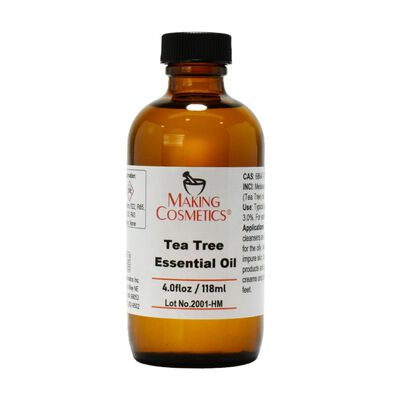
Natural antimicrobial agents target specific microbial threats rather than providing broad-spectrum protection. Ingredients like tea tree oil excels at controlling fungal growth and certain bacteria, while rosemary extract demonstrates strong antioxidant properties that slow oxidative degradation.
When you formulate cosmetics with natural antimicrobial agents, it’s important to understand each ingredient's specific strengths. For instance, grapefruit seed extract works well against yeasts and molds and Gram-positive bacteria. Formulators can combine multiple natural antimicrobial agents in their cosmetic products to achieve adequate product protection across different microbial categories.
What Factors Influence the Effectiveness of Natural Antimicrobial Agents?
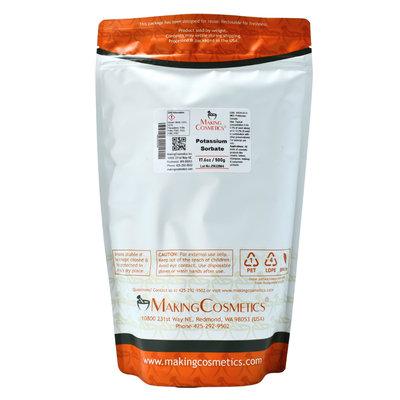
Product pH, water activity, and ingredient interactions significantly impact how natural antimicrobial agents perform in your formulations. Tea tree oil maintains antimicrobial activity best in anhydrous or low-water formulas, while compounds like potassium sorbate require specific pH ranges below 6.5 to function properly. Temperature during manufacturing and storage affects stability. Many plant-derived antimicrobial agents in cosmetics degrade when exposed to heat above 140°F. The presence of proteins, emulsifiers, and surfactants can bind with natural antimicrobial agents, reducing their availability to combat microbial growth. That’s why professional formulators conduct challenge testing to verify that their chosen natural antimicrobial agents provide adequate protection under real-world conditions.
Which Natural Antimicrobial Agents Work Best for Different Product Types?
Selecting appropriate natural antimicrobial agents depends on your formula composition and intended shelf life:
Oil-based products: Tea tree oil, rosemary extract, vitamin E (tocopherol) for oxidation control
Emulsions: Blended systems using tea tree oil with water-soluble antimicrobials for dual-phase protection
Anhydrous balms: Minimal antimicrobial needs; focus on antioxidants like rosemary extract
High-water serums: Multiple natural antimicrobial agents required; consider professional preservative systems for extended stability
Understanding the limitations of natural antimicrobial agents helps you set realistic expectations for product shelf life and storage requirements. Products formulated with these ingredients typically require refrigeration, opaque packaging, and consumer education about proper handling to maintain quality throughout their shortened shelf life.
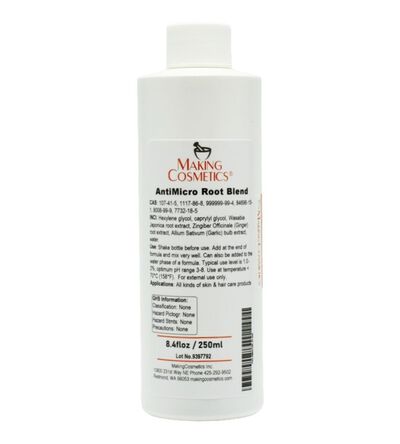
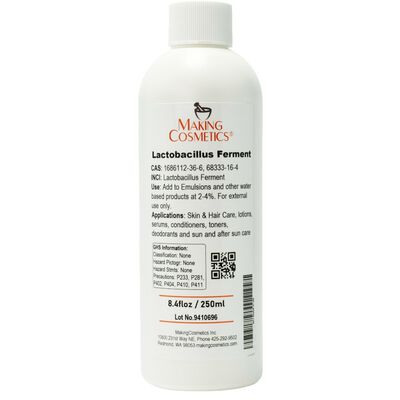
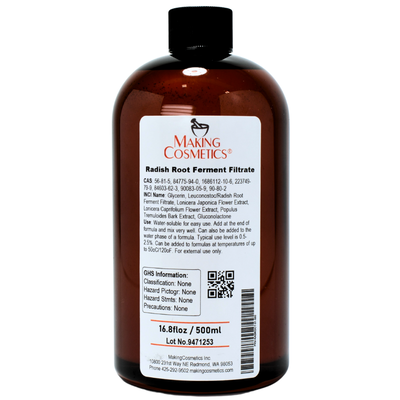
Natural antimicrobial agents offer only limited protection against microbial contamination and are therefore not called 'preservatives' but 'antimicrobial agents'. Some may be effective against mold and yeast but do not offer full protection against certain kind of bacteria, and vice versa. Oftentimes, natural antimicrobials are combined to enhance antimicrobial spectrum. Typical shelf lives are about 2 - 9 months depending on the type of formula, water content, container, and storage.
Contact us at MakingCosmetics with any questions about your formulations. We’re here to help you choose the right natural antimicrobial agents for your cosmetic products!
Our products are intended to be applied to the body for cleansing, beautifying and promoting attractiveness. Please contact a regulatory professional if you intend to make claims that go beyond cosmetics application.
Your subscription could not be saved. Please try again.
Thank you for joining MakingCosmetics Inc!
Disclaimer
The item you are selecting is considered a special-order bulk item, the approximate lead time information is in the listing. All special-order bulk itemsare not eligible for refund, return or cancellation once the order is placed. In the event that pricing, lead time or pack size changes with the supplier, we will contact you within 2-3 business days with further options.
By agreeing to this disclaimer, you have confirmed the above information for us to place the order with the terms above.