Formulating With Over-the-Counter (OTC) Active Ingredients
OTC (over-the-counter) actives are ingredients that, if a specific medical claim is made about its functionality and effects on the skin, are considered drugs by the FDA and have special label requirements. In addition, the manufacturer must register the finished products with the FDA and work under GMP guidelines.
What Makes OTC Active Ingredients Different From Standard Cosmetic Components?
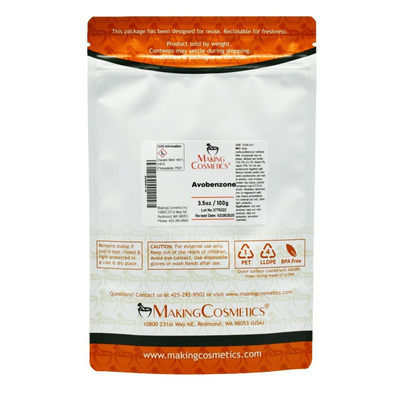
Over-the-counter (OTC) active ingredients cross the regulatory boundary between cosmetics and drugs based on their intended therapeutic effects. When you formulate with sunscreen filters like zinc oxide or avobenzone, acne-fighting salicylic acid, or anti-dandruff pyrithione zinc, you create products that prevent or treat specific conditions rather than simply cleansing or beautifying. The FDA maintains a monograph system that defines acceptable concentrations, combinations, and labeling requirements for OTC active ingredients in cosmetic products. Professional formulators recognize that using these ingredients triggers additional compliance obligations including facility registration, adverse event reporting, and standardized drug facts labeling. Understanding and adhering to these requirements prevents costly reformulation or a complete market withdrawal after product launch.
How Do Concentration Limits Affect Your OTC Cosmetic Products Formulation Strategy?
The FDA establishes maximum and minimum concentration ranges for over-the-counter (OTC) active ingredients in different kinds of cosmetics to ensure both safety and effectiveness. Sunscreen actives must meet specific SPF testing requirements at defined concentrations. Using too little fails to provide claimed protection, while excessive amounts may increase irritation without improving performance. Acne treatments containing benzoyl peroxide range from 2.5% to 10% depending on product format and target severity. When you formulate OTC cosmetic products, you cannot simply increase over-the-counter active ingredient concentrations to claim superior results. Monograph limits represent the maximum legally permissible levels. Professional formulators make sure to balance active ingredient concentrations with vehicle selection, pH optimization, and complementary ingredients to maximize therapeutic benefits within regulatory constraints.
Which Over-the-Counter Active Ingredients Require Special Formulation Considerations?
Different categories of therapeutic actives present unique formulation challenges:
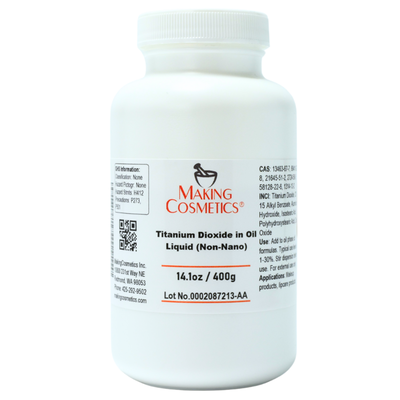
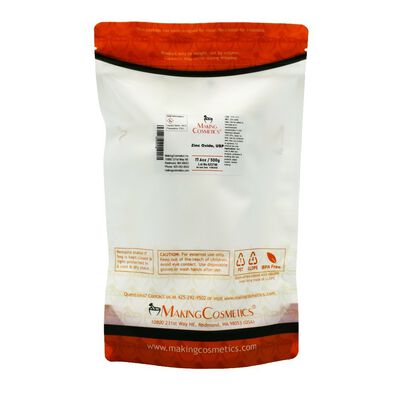
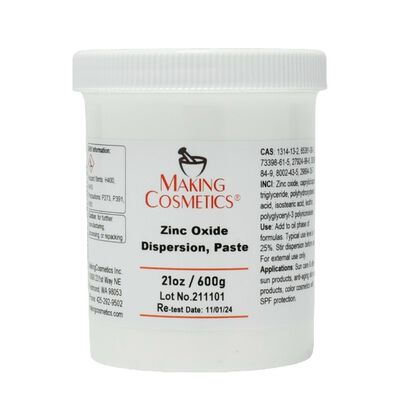
Sunscreen filters: Physical blockers like zinc oxide require dispersion technology to prevent white cast while maintaining SPF efficacy.
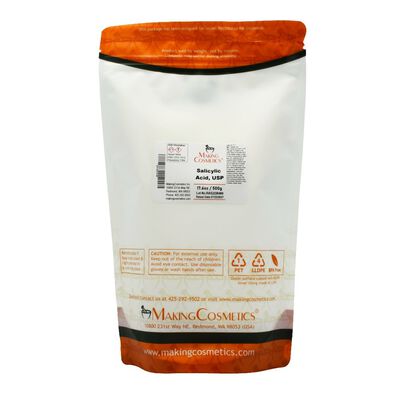
Acne treatments: Salicylic acid and benzoyl peroxide demand pH control and preservative compatibility testing.
Anti-aging actives: Retinol and niacinamide need stabilization against oxidation and light degradation.
Skin protectants: Dimethicone and allantoin require specific concentration ranges to qualify for protective claims.
Anti-dandruff agents: Pyrithione zinc and selenium sulfide need suspension systems that maintain uniform distribution.
Formulating OTC cosmetic products requires understanding how over-the-counter active ingredients interact with emulsifiers, preservatives, and other formula components to maintain stability throughout shelf life while delivering consistent clinical results. Contact MakingCosmetics to learn more about OTC cosmetic products or if you need assistance with your over-the-counter active ingredient formulations.
Our products are intended to be applied to the body for cleansing, beautifying and promoting attractiveness. Please contact a regulatory professional if you intend to make claims that go beyond cosmetics application.
Your subscription could not be saved. Please try again.
Thank you for joining MakingCosmetics Inc!
Disclaimer
The item you are selecting is considered a special-order bulk item, the approximate lead time information is in the listing. All special-order bulk itemsare not eligible for refund, return or cancellation once the order is placed. In the event that pricing, lead time or pack size changes with the supplier, we will contact you within 2-3 business days with further options.
By agreeing to this disclaimer, you have confirmed the above information for us to place the order with the terms above.